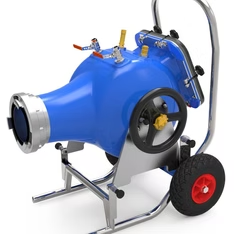
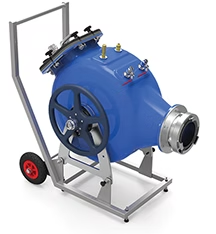
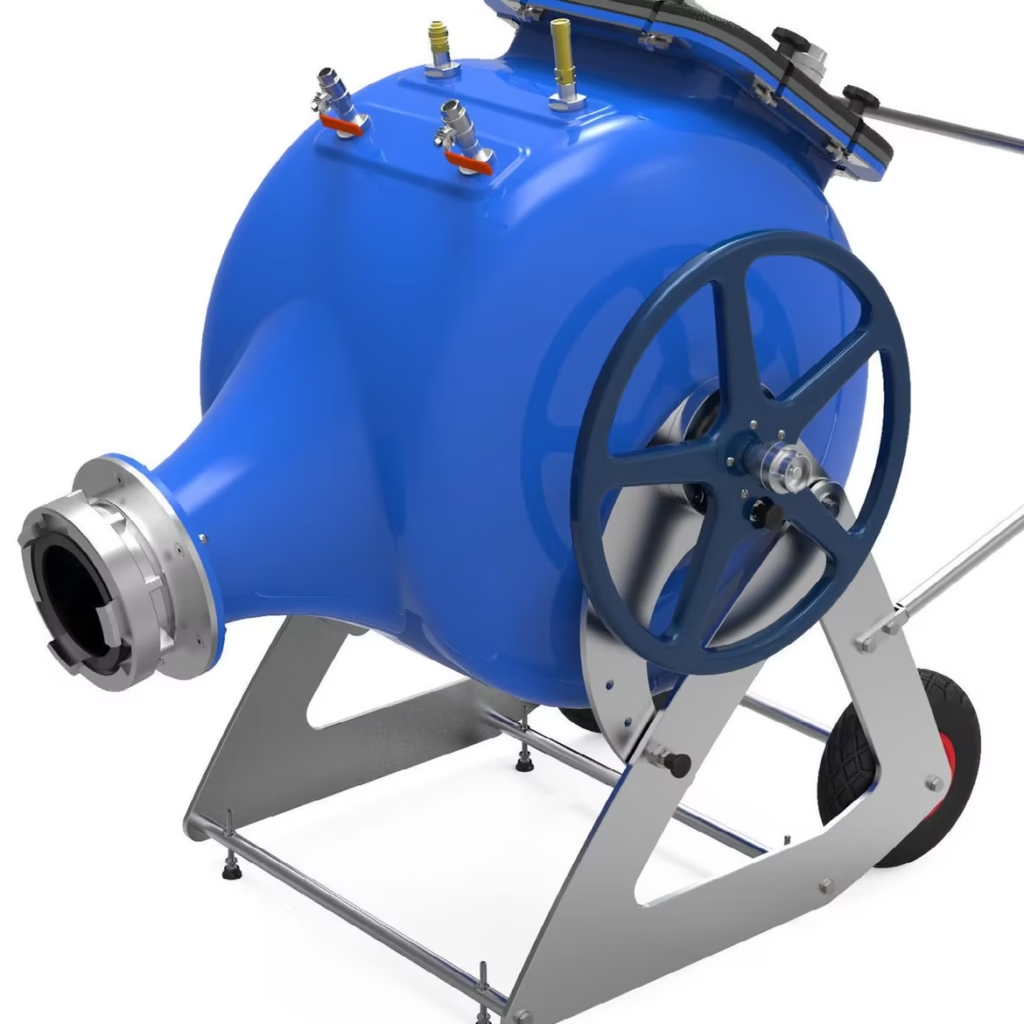
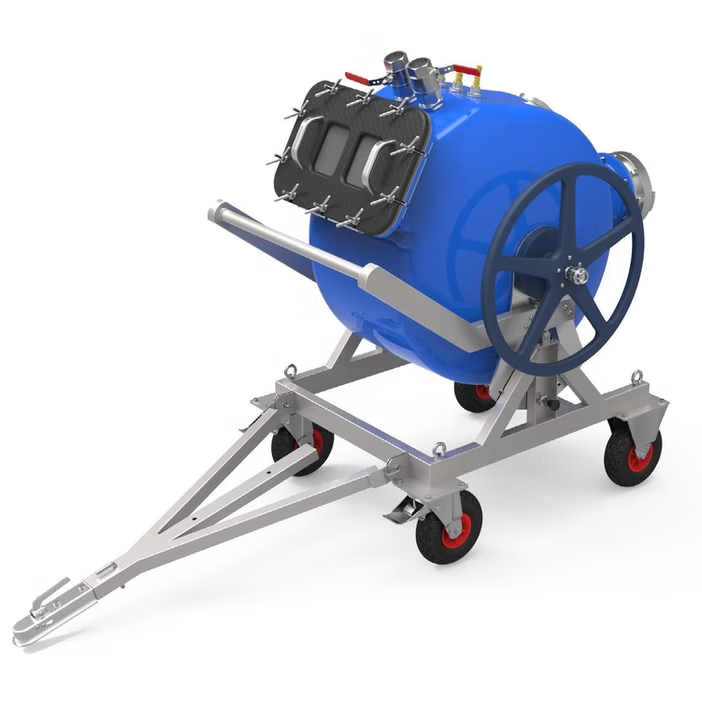
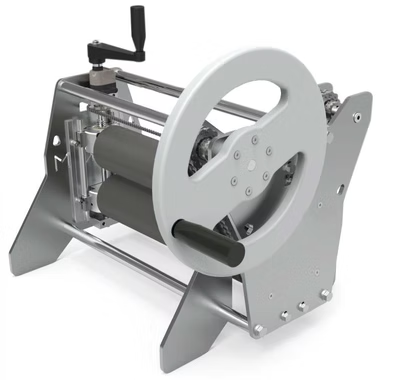
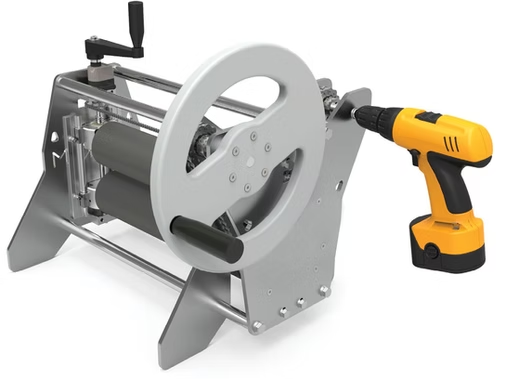
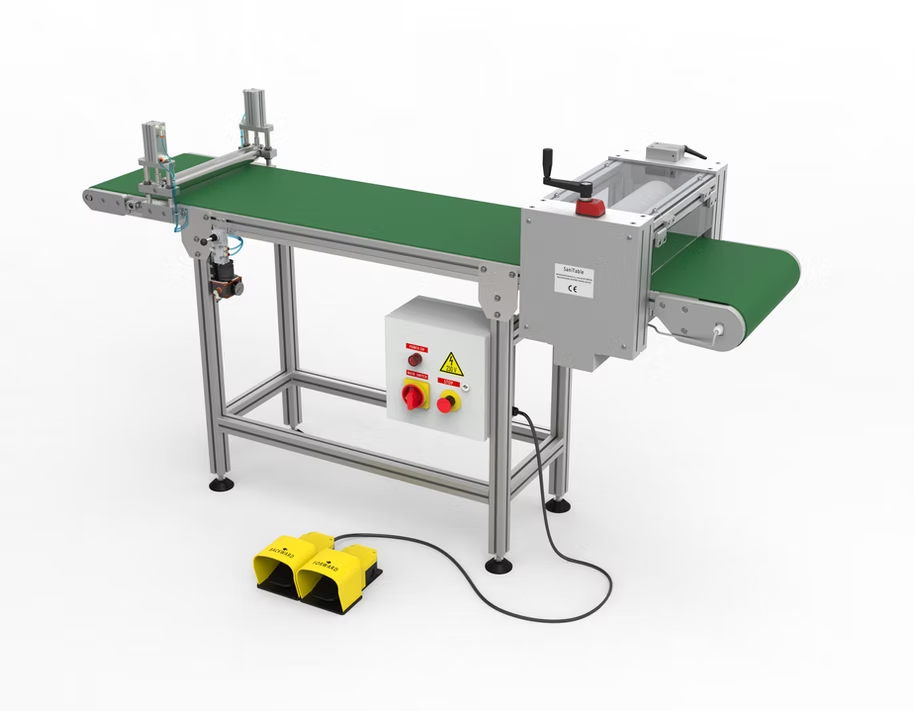
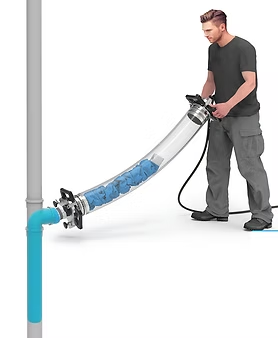
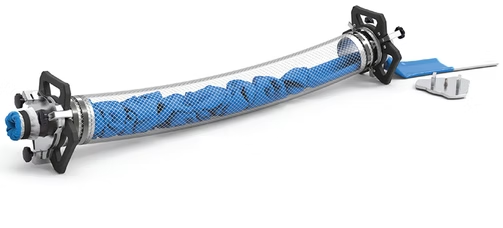
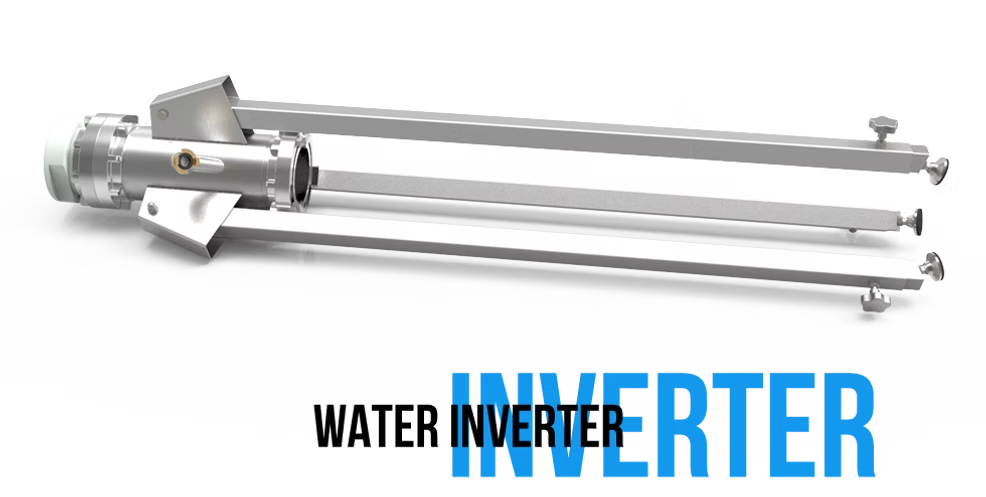
The liner, which is soaked in a resin solution, is attached to an inversion drum or unit. As the liner is inverted, the resin-coated side comes into contact with the interior surface of the old pipe. Once the liner is fully in place, it is expanded against the walls of the existing pipe, typically using water or air pressure. The resin then cures, either through the application of heat or other methods, creating a new pipe within the old one.
Inversion lining is a key part of the CIPP process because it ensures that the resin-coated side of the liner adheres uniformly to the interior of the existing pipe, creating a strong, seamless, and long-lasting repair. This method is particularly useful in pipelines with bends or irregular shapes, as the inversion process allows the liner to conform tightly to the contours of the existing pipe. Inversion lining are important innovations in the field of pipeline rehabilitation, offering effective solutions that minimize disruption and extend the life of critical infrastructure.